
NJ Turnpike Tolls and Parkway Route Guide
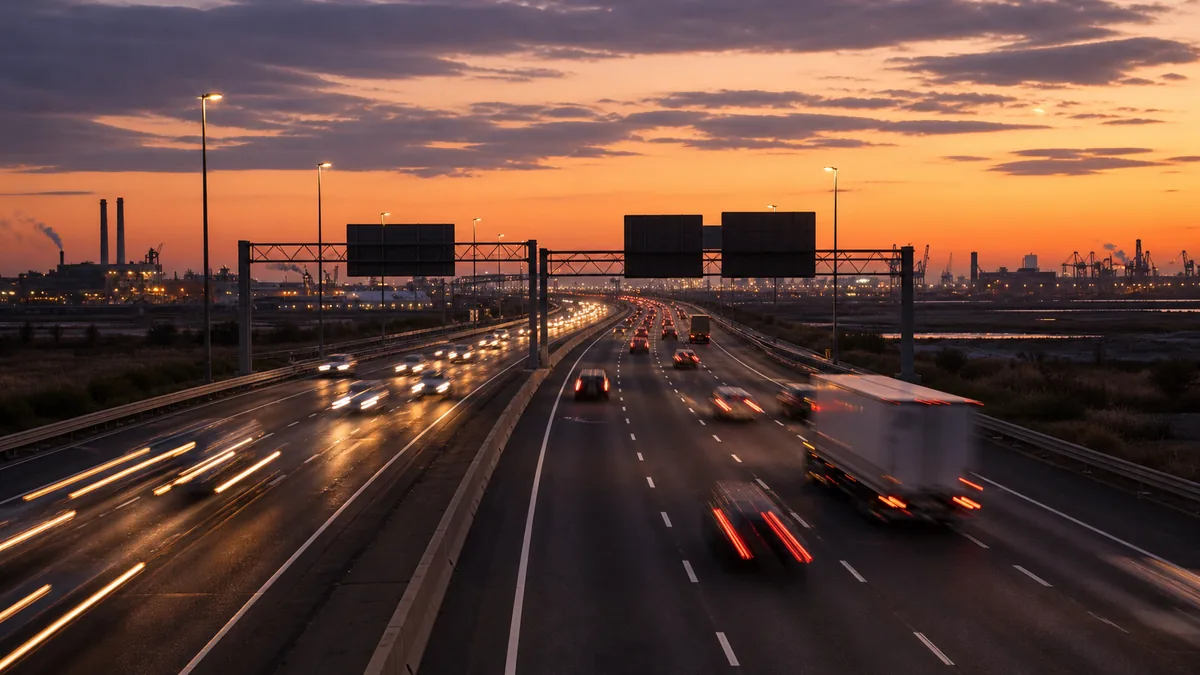
A few summers back I had a client call me from a rental car somewhere around Exit 11 on a Friday afternoon, angry, because the toll-by-plate bill that landed in his mailbox three weeks later was higher than he expected and he was sure he’d been overcharged. He hadn’t been. He’d just driven a long stretch of a distance-priced road without an E-ZPass transponder, and NJ Turnpike tolls work differently than the flat-rate bridges most out-of-state visitors are used to. That phone call is more or less why this guide exists. I get the same questions every week from people trying to figure out what a drive across New Jersey costs and which way to go.
So this is the reference I wish I could just hand people. Not a sales pitch. A working explainer on the two big toll roads in the state, the Turnpike and the Garden State Parkway, how the pricing is structured, and the three trips out of Newark Liberty that come up most: Atlantic City, Princeton, and Brooklyn. Most of what’s below I picked up across 14 years on the customer-experience side of these highways, the smooth days and the ugly ones.
Both roads are operated by the New Jersey Turnpike Authority. Both take E-ZPass. The big thing to understand before anything else is that the Turnpike is a closed, distance-based system. You pick up a ticket or a transponder reading at your entry interchange, and you pay based on how far you traveled to your exit interchange. The Parkway works differently, with toll plazas scattered along its length that charge a set amount as you pass through. Two roads, two pricing models, one authority. Get that distinction straight and the rest of this makes sense.
| Road | Toll model | Typical EWR-area trip | Approximate toll range |
|---|---|---|---|
| NJ Turnpike | Distance-based, entry to exit | Newark area to Atlantic City connection | Roughly $5 to $12 by car, more for larger vehicles |
| Garden State Parkway | Fixed plazas along the road | Newark area south toward the Jersey Shore | Roughly $2 to $5 per plaza passed |
| Atlantic City Expressway | Fixed plazas, separate authority | Turnpike Exit 7A connection into AC | Roughly $4 to $5 each way for a car |
| Goethals Bridge | Flat crossing toll, Port Authority | NJ side toward Staten Island and Brooklyn | Higher flat toll, E-ZPass discount applies |
Effective May 2026. All figures are approximate and rounded. Toll rates change periodically and vary by vehicle class, time of day, and payment method. Confirm current pricing with the operating authority before you travel.
EWR to Atlantic City: Turnpike to AC Expressway
The drive from Newark Airport down to Atlantic City is the long one, about 125 miles, and it’s the trip where toll costs and exit choices matter most. NJ Turnpike tolls are distance based, so the cost depends entirely on which interchanges you enter and exit. The standard path is simple in concept. You pick up the Turnpike near the airport, head south, and you have a decision to make somewhere around the Exit 7 to Exit 7A area.
Exit 7A is the Atlantic City Expressway connection. It’s the cleaner way south for most travelers, because the AC Expressway delivers you almost directly into the casino district and the Boardwalk hotels. Exit 7 puts you onto Route 206 and the slower local approach, which a driver might pick if there’s a backup further down. Because the Turnpike charges by distance, getting off at 7 versus 7A changes the Turnpike portion of your bill by a small amount, and then the Expressway adds its own plaza tolls on top, roughly four to five dollars each way for a car. The Expressway is operated by a separate body, the South Jersey Transportation Authority, so that toll is a distinct charge from your Turnpike total.
Add it all up and the toll cost of a one-way trip from the Newark area to Atlantic City in a standard sedan tends to land somewhere in the rough neighborhood of ten to fifteen dollars when you combine the Turnpike segment and the Expressway plazas. I’m hedging on purpose. Rates move, vehicle class changes the number, and a Sprinter van with more axles pays more than a sedan on the same trip. Treat any toll figure you see online as a snapshot, not a fixed fact.
There’s no direct public transit option that gets you door to door from the airport to a Boardwalk hotel, which is why a private car or a rental ends up being the practical choice for this trip. If you’d rather not deal with the distance-pricing math or the toll-by-plate billing at all, a chauffeured trip folds tolls into one quoted price, and you can see how that works on our complete EWR rate sheet. We cover the Atlantic City drive regularly, and one of our drivers who does it weekly knows when Exit 7A backs up and when to take the long way around.
Best travel windows for the AC drive
Summer Friday afternoons southbound are the worst window, no contest. Everyone in North Jersey is heading to the Shore or to AC at the same time, and the Turnpike between Exit 11 and Exit 8A can crawl. Sunday evenings northbound are the mirror image. If you have any say in your timing, a mid-morning departure on a weekday is the calmest, and you’ll often clear the whole 125 miles in well under two hours. The drive itself isn’t hard. The traffic windows are what get people.
EWR to Princeton: Turnpike to the Route 1 Corridor
Princeton is the trip I hear about most on this list, and it’s a useful one for understanding how the Turnpike’s distance pricing rewards you for getting off at the right interchange. From Newark Liberty, the standard way to Princeton is the Turnpike south to Exit 9, which is New Brunswick, and then onto Route 1 heading southwest through the Route 1 corridor.
That corridor is the spine of central New Jersey’s office economy. The big pharmaceutical and tech campuses, the hotels along Route 1, the office parks near Forrestal Village, Carnegie Center, the whole stretch between New Brunswick and Princeton proper. Because you exit the Turnpike at 9 rather than carrying on further south, the Turnpike portion of your toll is modest, usually in the rough range of five to seven dollars for a car from the airport. This is the clearest example of how NJ Turnpike tolls reward a shorter segment, since getting off earlier costs less. Route 1 itself is a free state highway, so once you’re on it, there’s no further toll into Princeton.
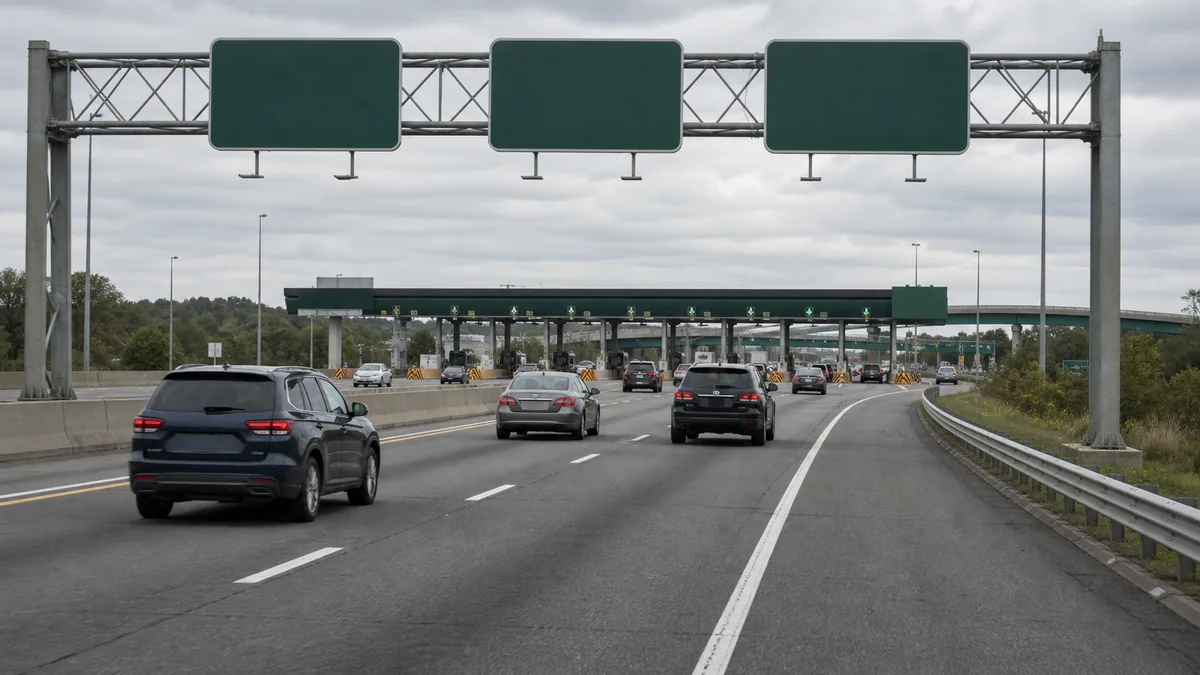
The catch with the Princeton drive is that Route 1 is a traffic-light corridor, not a highway, through the busiest sections. Penns Neck, the Route 1 and Washington Road intersection near the university, the approaches to the shopping concentrations. During morning and evening commute hours, that final ten or twelve miles can take longer than the entire Turnpike segment that preceded it. A driver who knows the corridor will sometimes peel off onto Route 27 or the local Princeton streets to skip a known light backup, and that local knowledge is the difference between a 70-minute trip and a 105-minute one, something I hear about constantly from travelers on the other end of it.
For travelers heading to the university, the campus, Princeton Junction station, or the corporate parks, we handle this drive as fixed-rate work. The detail lives on our Princeton to Newark Airport car service page, and if you’re traveling for business along that office spine, the corporate transportation in Newark service is built for the campus and office-park stops specifically. Crews and frequent flyers along Route 1 also lean on scheduled pickups, and our airline crew transportation arm covers a lot of that corridor on a standing basis.
An admission on the Route 1 timing
I’ll own a mistake here. For years I thought about the Princeton drive on pure mileage, the way you’d think about a highway trip, with the Turnpike segment as the long part on a map. Then I started getting calls from clients stuck at the Penns Neck light at 5:40 PM watching their cushion evaporate. The lesson took me embarrassingly long to absorb. On the Princeton trip, the toll road is the easy half. The free road is the hard half. Now I tell travelers to count on the corridor portion eating the time, not the Turnpike portion, and our scheduling reflects that so the pickups land on time.
EWR to Brooklyn: Turnpike to Goethals/Verrazzano or Holland Tunnel
Getting from Newark Airport to Brooklyn is the trip with the most decisions to make, because there’s no single obvious way and the toll structure shifts depending on which crossing you take. There are two broad approaches, and a good driver picks between them based on the day, the hour, and where in Brooklyn you’re going.
The first approach is the southern one. You take the Turnpike a short distance, then cross into Staten Island over the Goethals Bridge, drive across Staten Island, and cross the Verrazzano-Narrows Bridge into Brooklyn. This is the way for southern and central Brooklyn, places like Bay Ridge, Dyker Heights, Park Slope, Sunset Park. The tolls here are flat crossing tolls rather than distance-based. The Goethals is a Port Authority bridge, and the Verrazzano is an MTA bridge, and both charge a set amount with a meaningful E-ZPass discount versus toll-by-mail. The Verrazzano in particular is one of the pricier crossings in the region, so this way costs more in bridge tolls than the tunnel way, but it often moves better and avoids Manhattan entirely.
The second approach is the northern one, through the Holland Tunnel into Lower Manhattan and then over one of the East River bridges, usually the Manhattan or Brooklyn Bridge, into DUMBO, Brooklyn Heights, or Williamsburg. The Holland Tunnel is a Port Authority crossing with its own flat toll, and the East River bridges are free. So the toll cost of the tunnel way is just the one tunnel charge. The trade-off is Manhattan traffic, which can be brutal, especially with the Manhattan congestion pricing zone now in effect below 60th Street. For northern Brooklyn neighborhoods closest to the East River, the tunnel way is often still shorter in miles. For everywhere else, the Staten Island way usually wins on predictability.
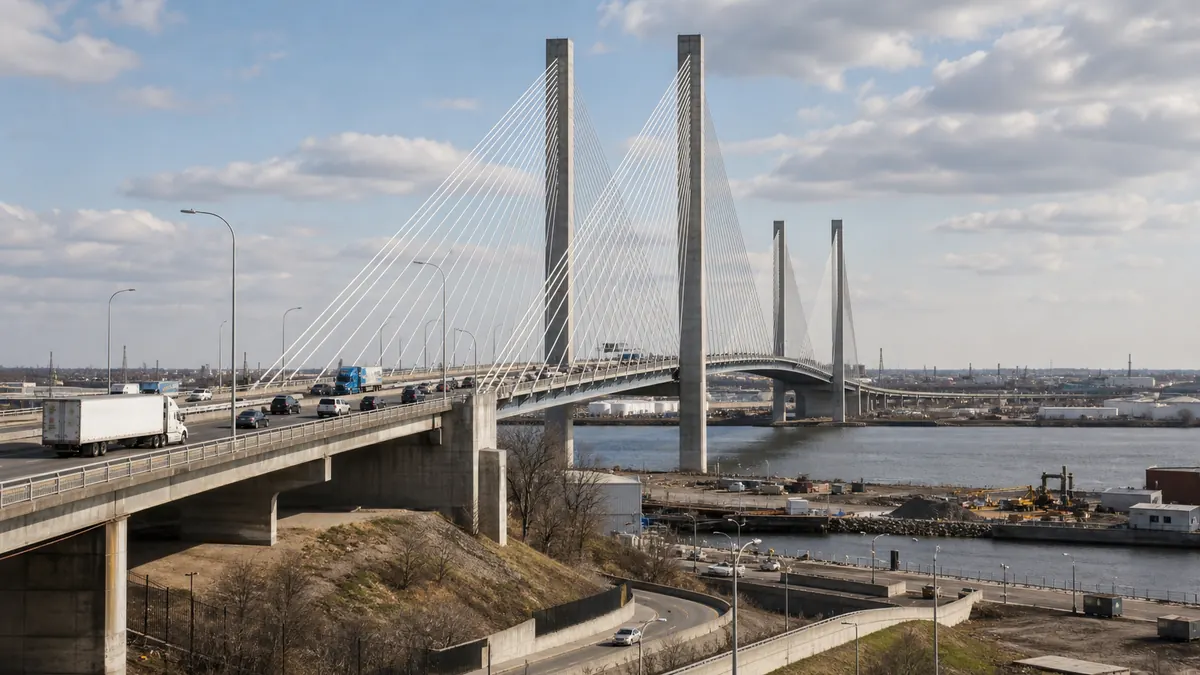
This is exactly the kind of trip where local judgment pays off. We drive it constantly, and the full breakdown of crossings and neighborhood coverage lives on our Brooklyn to Newark Airport car service page. A driver who does the Brooklyn drive several times a week will often know before leaving the airport whether the Verrazzano or the Holland Tunnel is the smarter call that hour, and will switch on the fly if the radio says otherwise. If your trip is airport to airport rather than to a neighborhood, the logic is similar, and our EWR to JFK car service page covers that inter-airport drive, which uses a lot of the same crossings.
One more note. If you’re going to Jersey City rather than crossing into New York at all, the toll picture gets simple fast, because Jersey City sits on the New Jersey side and you skip the big crossings entirely. We cover that short drive on the Jersey City to Newark Airport car service page, and it’s worth knowing the difference so you don’t pay for a crossing you don’t need.
Garden State Parkway Major Corridors from EWR
The Parkway is the other big toll road in the state, and it works on a completely different model than the Turnpike. Where NJ Turnpike tolls scale with the distance you cover, the Parkway instead uses toll plazas placed along its length, and you pay a set amount each time you pass through one. That set amount is usually small, in the rough range of two to five dollars a plaza for a car, but they add up over a long drive because you might pass through several.
From the Newark area, the Parkway is the main north-south road for the Jersey Shore. The Asbury Park, Belmar, and Point Pleasant area sits off the Parkway in the 98 to 105 exit range. Toms River and the Seaside communities are further south. Long Beach Island connects off Exit 63. The Cape May trip at the far southern tip is a long one, with the most plazas to pass and the highest cumulative Parkway toll of any Shore drive. Heading the other way, the Parkway continues north toward the New York State Thruway connection past Exit 172.
Parkway versus Turnpike for the same general direction
People often ask which road to take when both technically point the same way, and the answer depends on the destination, not a blanket rule. The Turnpike is the faster, wider road, built for long-haul distance, and it’s the one I’d pick for Atlantic City or anything where speed counts. The Parkway is more scenic, has more plazas, and is the only sensible way for actual Shore towns. For a corporate group heading to a Shore conference, we’d typically take the Parkway and book it as Sprinter van service when the party is large enough to justify one vehicle. For most central New Jersey business stops, the Turnpike to Route 1 is the cleaner option.
One small Parkway quirk worth knowing. Some Parkway plazas charge in only one direction, or charge a different amount by direction. So your toll cost northbound on a given stretch isn’t always the mirror of your southbound cost on the same stretch. It’s a minor thing, but it surprises people who try to estimate a round-trip total by doubling the one-way number.
If you’re planning a Shore trip and want it handled as one quoted price with the Parkway tolls already folded in, that’s standard work for us. The full vehicle lineup and pricing sits on the EWR rate sheet, and you can always start from the Newark Airport car service homepage if you’re new to how we work.
Real-Time Traffic Tips and Best Travel Windows
Knowing the toll structure is half the battle. The other half is timing, because New Jersey’s two big highways behave very differently at 6 AM than they do at 6 PM, and the difference can be 40 minutes on a trip that’s only 90 minutes to begin with.
A few patterns hold up year after year. The Turnpike between Exit 14 and Exit 11 is congested during both weekday commute peaks, because that stretch carries a huge volume of local Newark and Elizabeth traffic on top of through traffic. Friday afternoons southbound, roughly 2 PM to 7 PM, are the heaviest leisure window, especially in summer. Sunday evenings northbound are the return-trip mirror. Holiday weekends amplify all of it. The Wednesday before Thanksgiving is its own special category, and I tell clients flatly to leave two extra hours of cushion that day. Major New Jersey summer events draw their own concentrated traffic spikes too, and our guides for the Warren County hot-air balloon festival and the NJ Wine and Food Festival at Crystal Springs cover the approach roads, timing, and parking for two of the biggest.
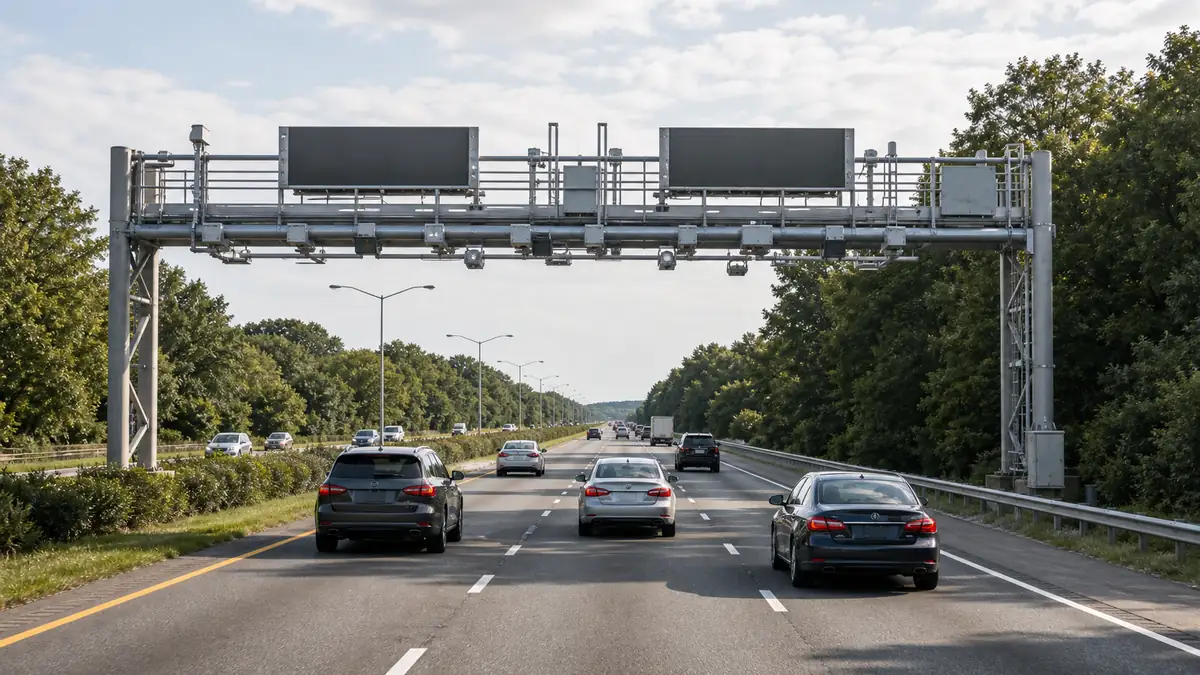
For E-ZPass holders, the practical advantage on top of the lower toll rate is that you never stop. Cash lanes are increasingly rare on these roads, and the cashless gantries read the transponder at highway speed. The same convenience applies whether you are paying NJ Turnpike tolls or fixed Parkway plaza charges. If you don’t have a transponder, you’ll get billed by toll-by-plate, which carries a higher rate and the small risk of a bill going to the wrong address if your plate or registration data is stale. For New Jersey residents, getting a transponder through the E-ZPass New Jersey program is the obvious move. Out-of-state visitors driving a rental are usually better off knowing the rental company’s toll arrangement before they pick up the keys, because the daily service fees on rental toll programs can exceed the tolls themselves.
For checking conditions before you go, the Turnpike Authority publishes live traffic information, and the state’s official site at state.nj.us links to reliable incident and travel resources. The 511NJ traffic service is the one I check most for live conditions. I’d rather a client glance at conditions for ten seconds before a long trip than discover a closed lane at 65 miles per hour. A good chauffeur is already doing this, watching incidents and adjusting the way before you’ve even noticed, which is part of what you pay for when you book a car instead of driving it yourself.
The toll-by-plate trap for visitors
Back to the angry client from the opening. His real problem wasn’t the toll. It was the surprise. He drove a rental across three toll facilities, paid nothing at the time because there were no cash booths, and assumed the trip had been free. Three weeks later the bill arrived with toll-by-plate rates plus the rental company’s per-day toll service charge stacked on top. The total wasn’t outrageous, but it was double what an E-ZPass driver would have paid, and he had no idea it was coming. If you’re visiting and driving yourself, the single most useful thing you can do is understand, before you start, exactly how every toll on your way will be charged and billed. Once you grasp that NJ Turnpike tolls are distance based while the Parkway uses fixed plazas, the whole system stops being a mystery and becomes simple to budget for. The roads themselves are easy. The billing is where people get caught.
Frequently Asked Questions
It depends on how far you travel, because the Turnpike charges by distance from your entry interchange to your exit interchange. A short hop from the Newark area might be only a few dollars for a car, while the longer stretch toward the Atlantic City connection tends to land in the rough range of five to twelve dollars before any connecting road tolls. Larger vehicles with more axles pay more. Treat any specific figure as approximate, since rates change periodically.
Both are operated by the New Jersey Turnpike Authority and both take E-ZPass, but they price tolls differently. The Turnpike is a closed, distance-based system: you pay based on how far you traveled between interchanges. The Parkway uses fixed toll plazas placed along the road, charging a set amount each time you pass one. The Turnpike is the faster long-haul road. The Parkway is the main road for Jersey Shore destinations.
Yes. If you do not have an E-ZPass transponder, the cashless gantries photograph your license plate and a toll-by-plate bill is mailed to the registered address. The catch is that toll-by-plate rates are higher than E-ZPass rates, and visitors driving a rental car may also face a per-day toll service fee from the rental company. For frequent New Jersey driving, an E-ZPass transponder is the cheaper and simpler choice.
Most travelers heading to Atlantic City leave the Turnpike at Exit 7A, which connects directly to the Atlantic City Expressway. The Expressway carries you almost all the way into the casino and Boardwalk district. Exit 7 is an alternative that puts you onto Route 206 and a slower local approach, useful mainly as a backup if there is a backup further south. The Expressway is operated by a separate authority and adds its own plaza tolls of roughly four to five dollars each way for a car.
It depends on which part of Brooklyn you are going to. For southern and central Brooklyn, the usual path crosses the Goethals Bridge into Staten Island and then the Verrazzano-Narrows Bridge into Brooklyn, paying flat crossing tolls. For northern neighborhoods near the East River, the Holland Tunnel into Lower Manhattan followed by a free East River bridge can be shorter, though Manhattan traffic and congestion pricing are factors. A driver who knows both ways picks based on the hour and destination.
The heaviest windows are weekday commute peaks, especially the stretch between Exit 14 and Exit 11 near Newark, and Friday afternoons southbound from roughly 2 PM to 7 PM in summer when Shore and Atlantic City traffic peaks. Sunday evenings northbound are the return-trip equivalent. Holiday weekends amplify everything, and the Wednesday before Thanksgiving is the single worst day of the year. A mid-morning weekday departure is usually the calmest travel window.